
Understanding the Basics of Three-Compartment Sinks vs. Commercial Dish Machines
When it comes to maintaining cleanliness and sanitation in commercial kitchens, choosing between a three-compartment sink and a commercial dish machine is a critical decision. Both systems are designed to meet health and safety requirements, but they operate in fundamentally different ways. Three-compartment sinks rely on manual washing, rinsing, and sanitizing, while dish machines automate the process using high-temperature or chemical sanitation cycles. Recognized brands like Advance Tabco and John Boos dominate the sink market, while CMA Dishmachines and Insinger are trusted leaders in commercial dishwashing equipment.
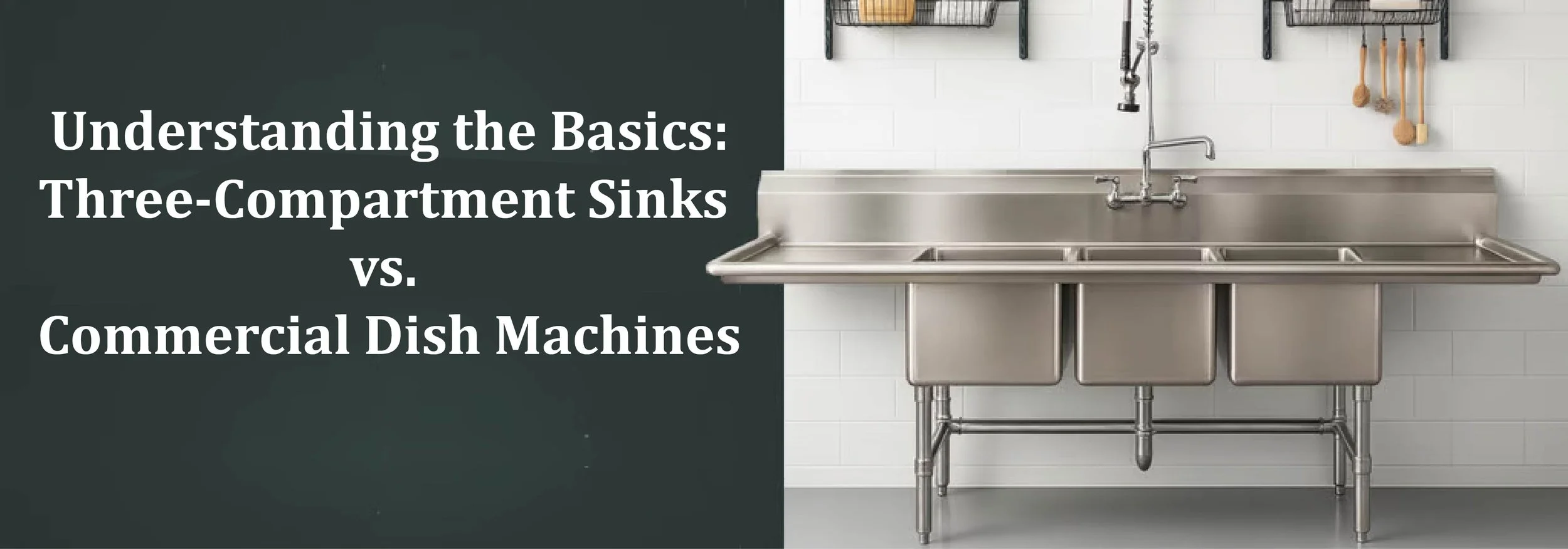
The Functionality of Three-Compartment Sinks
Three-compartment sinks are a traditional and reliable method for cleaning dishes in foodservice operations. Each compartment serves a specific function: washing with detergent, rinsing with clean water, and sanitizing with chemicals or heat. This method offers flexibility, allowing staff to handle large cookware, oddly shaped items, and delicate materials with care. Advance Tabco and John Boos are known for manufacturing durable stainless steel sinks that meet strict sanitation standards, making them a staple in restaurants, cafeterias, and catering operations.
Advantages of Using Advance Tabco and John Boos Sinks
Advance Tabco and John Boos produce high-quality sinks designed for heavy-duty commercial use. Their products often feature thick stainless steel construction, sound-deadening technology, and reinforced legs for stability. These sinks are ideal for operations that require versatility and cost efficiency, as they typically have a lower upfront investment compared to dish machines. Additionally, they do not rely on electricity or complex plumbing systems beyond basic water supply and drainage, making them easier to install and maintain in smaller or budget-conscious kitchens.
Limitations of Manual Dishwashing Systems
Despite their reliability, three-compartment sinks have limitations. The effectiveness of the cleaning process depends heavily on staff training and consistency, which can lead to variability in sanitation quality. Manual washing is also labor-intensive and time-consuming, reducing efficiency during busy service periods. Furthermore, water usage can be higher if proper procedures are not followed, and maintaining the correct sanitizing temperature or chemical concentration requires constant monitoring.
The Efficiency of Commercial Dish Machines
Commercial dish machines streamline the cleaning process by automating washing, rinsing, and sanitizing in a single cycle. Brands like CMA Dishmachines and Insinger offer a wide range of models, from undercounter units to large conveyor systems, designed to handle high volumes of dishware quickly and consistently. These machines use precise temperature controls or chemical dosing systems to ensure compliance with health regulations, delivering a higher level of sanitation reliability compared to manual methods.
Benefits of CMA Dishmachines and Insinger Equipment
CMA Dishmachines and Insinger are known for their advanced engineering and durability. Their machines are designed to reduce labor costs by minimizing manual intervention and speeding up turnaround times. Many models incorporate energy-efficient features, such as water-saving rinse systems and heat recovery technology, which can lower long-term operating costs. Additionally, automated systems reduce the risk of human error, ensuring consistent sanitation results and helping businesses maintain compliance with food safety standards.
Challenges of Investing in Dish Machines
While commercial dish machines offer efficiency and consistency, they come with higher upfront costs and installation requirements. Proper ventilation, electrical connections, and plumbing systems are necessary, which can increase the initial investment. Maintenance and repair costs can also be higher compared to sinks, especially if the equipment experiences heavy use. Smaller establishments with limited space or lower dishwashing demands may find it difficult to justify the expense.
Choosing the Right Solution for Your Operation
The choice between a three-compartment sink and a commercial dish machine ultimately depends on the specific needs of the operation. Smaller kitchens or establishments with limited budgets may benefit from the simplicity and affordability of Advance Tabco or John Boos sinks. In contrast, high-volume operations such as busy restaurants, hotels, and institutional kitchens often find the speed and efficiency of CMA Dishmachines or Insinger units indispensable.
Balancing Cost, Efficiency, and Compliance
Both systems can meet health department requirements when used correctly, but they offer different advantages in terms of cost, labor, and performance. Operators must consider factors such as volume, available space, staffing levels, and long-term operational costs. While sinks provide flexibility and lower initial expenses, dish machines deliver consistent results and improved productivity, making them a valuable investment for growing businesses.
Final Thoughts on Dishwashing Solutions
In the competitive foodservice industry, maintaining cleanliness is non-negotiable. Whether choosing a three-compartment sink from Advance Tabco or John Boos or investing in a commercial dish machine from CMA Dishmachines or Insinger, the decision should align with the operational goals and capacity of the business. By carefully evaluating the strengths and limitations of each option, operators can ensure efficient workflows, regulatory compliance, and a consistently high standard of sanitation.
Get Expert Help for Your Commercial Kitchen Needs
If you’re planning to upgrade or design your dishwashing area, expert guidance can make all the difference. Reach out today to explore tailored solutions, professional setup, and customized kitchen design services that fit your operation’s unique needs.
